Menstrual Hygiene Management
The Problem
Many adolescent girls in rural communities across Abuja, Federal Capital Territory (FCT), struggle to manage their menstrual health with dignity. In areas such as Piwoyi, Aleyita, Gosa, and communities along the Airport Road corridor, limited knowledge, cultural stigma, lack of access to sanitary products, and poor sanitation facilities create serious barriers. For many girls, menstruation becomes a reason to miss school, fall behind academically, or lose confidence entirely. Without the right support, a natural biological process turns into a disadvantage.Child abuse in Nigerian schools has become a severe challenge to school authorities and stakeholders involved in child protection. However, with the increased rates of child abuse and with more focus on educating girls and women on how to defend themselves, a different approach becomes necessary to reduce its occurrence.
What We’re Doing
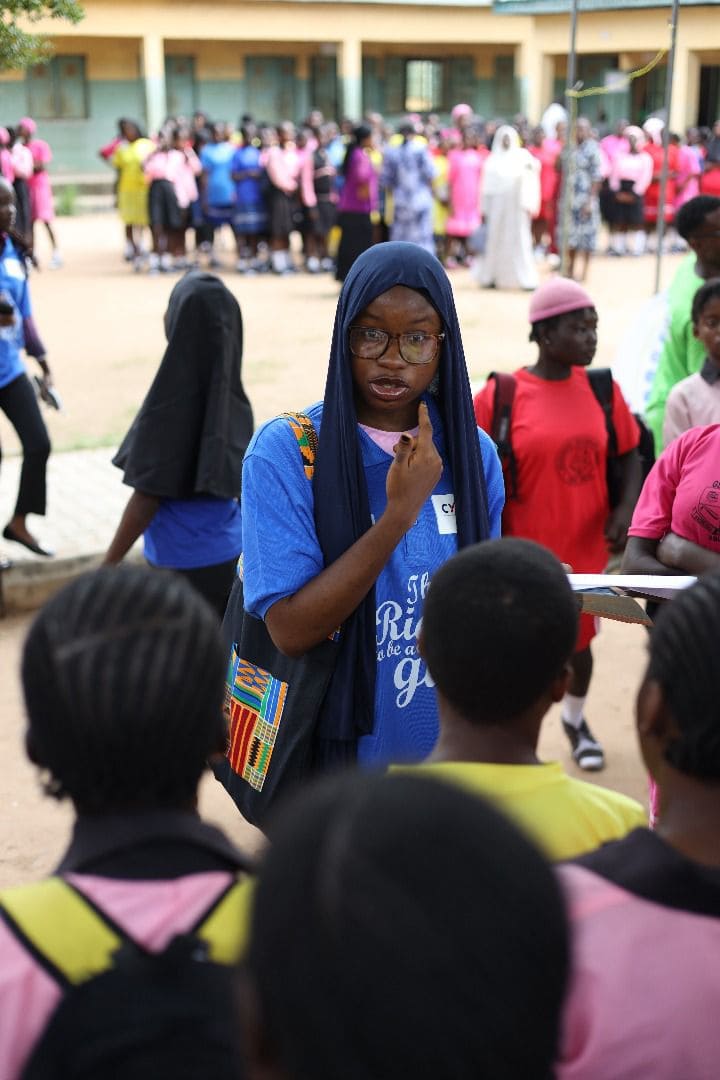
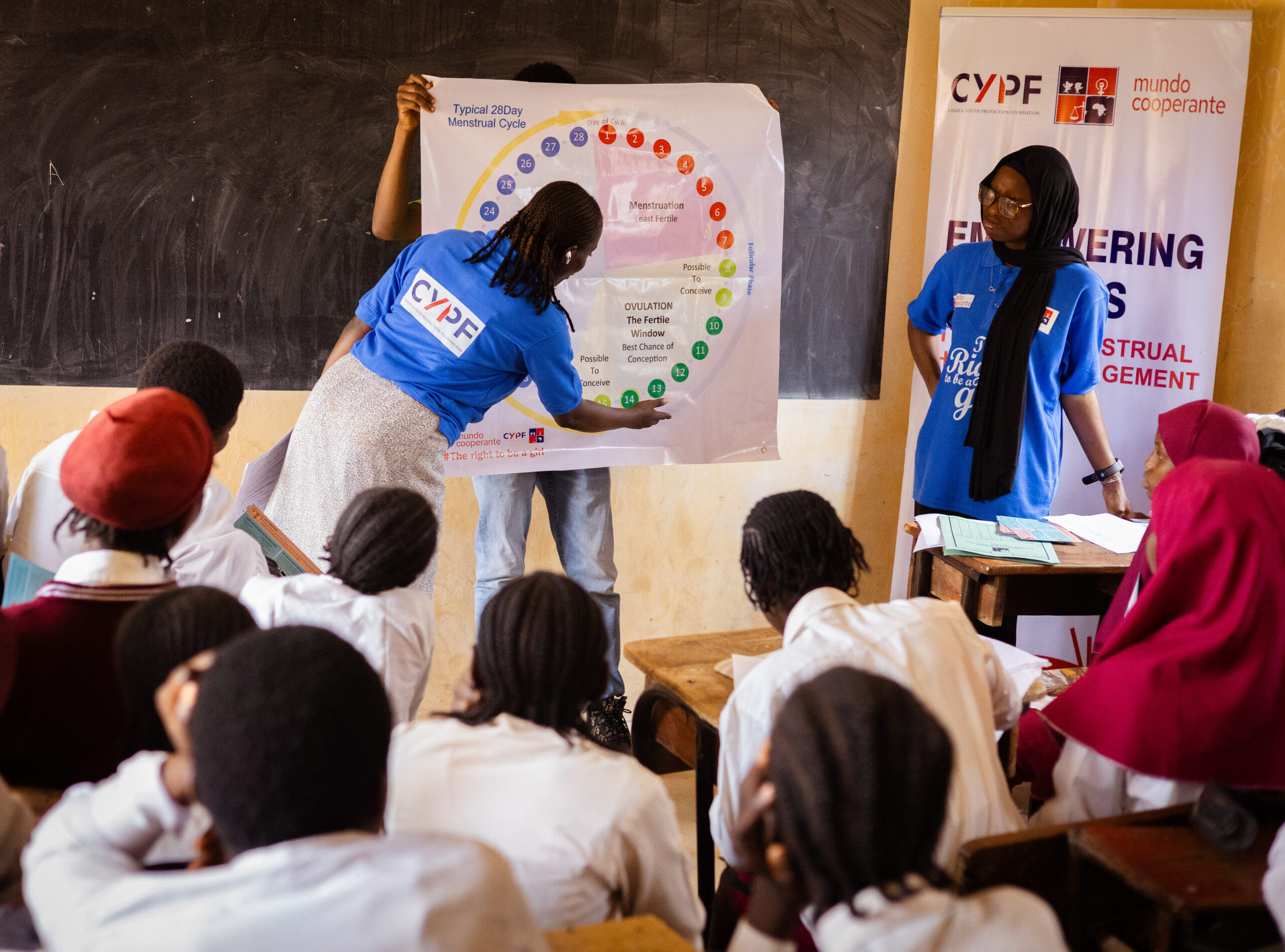
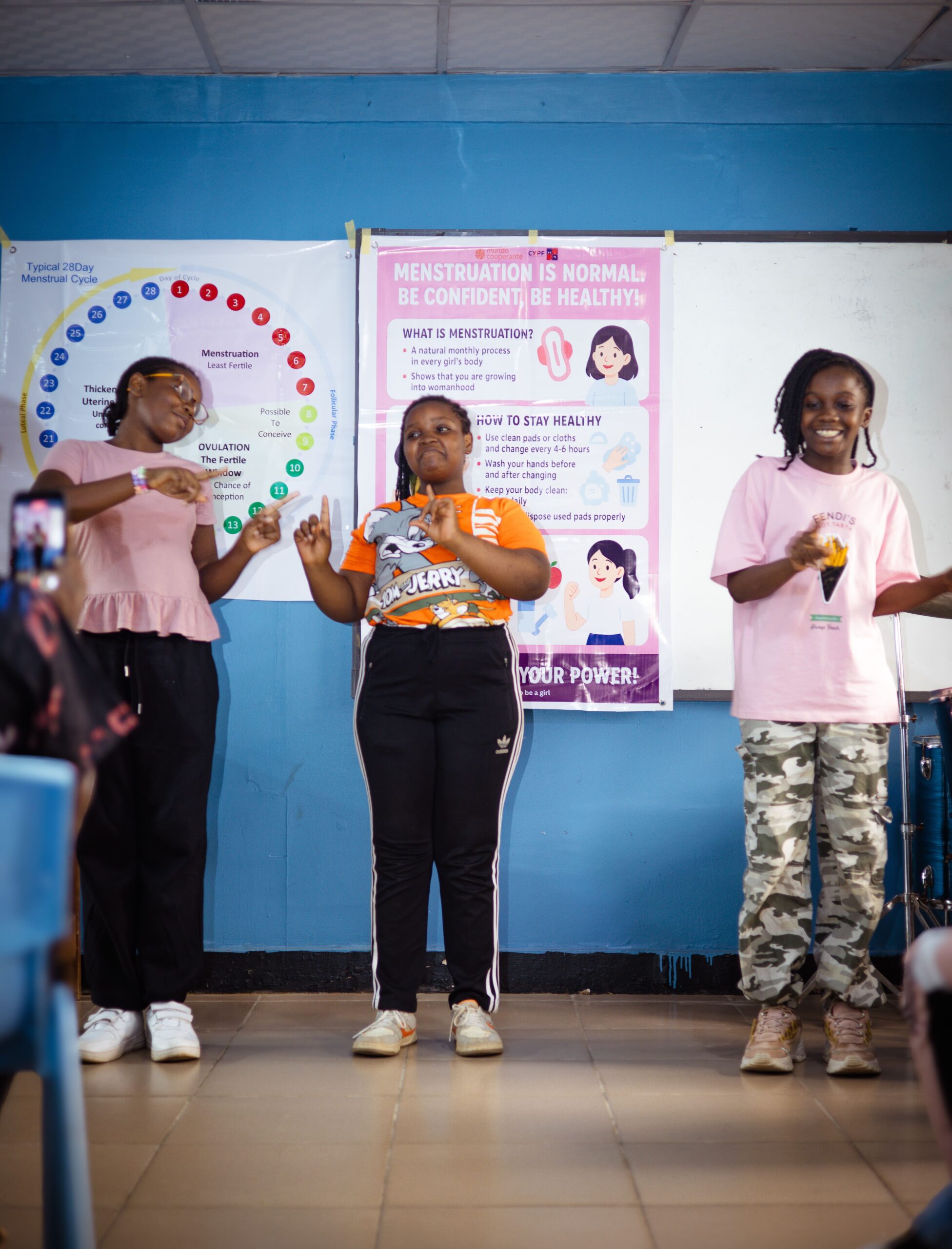
Through the Menstrual Hygiene Management (MHM) program, CYPF, in partnership with Mundo Corporante, is providing girls with the knowledge, tools, and support they need across 11 secondary schools in Abuja. These include schools such as JSS Piwoyi in Piwoyi, JSS Aleyita in Aleyita, GSS Airport along the Airport Road corridor, and GSS Gosa in Gosa. The program delivers practical menstrual health education through interactive workshops while ensuring access to sanitary products through school-based pad banks. Girls also receive hygiene kits with essential supplies for safe menstrual care, and targeted schools benefit from improved WASH facilities that provide privacy and proper hygiene conditions. At the same time, teachers and peer mentors are trained to sustain the impact, creating a support system that continues beyond the program itself.
The Impact
So far, the program has reached over 2,132 girls across 11 schools in Abuja, particularly in underserved communities like Piwoyi, Aleyita, Gosa, and surrounding areas. Girls are now able to attend school more consistently, participate confidently in class, and manage their periods safely with access to reliable hygiene resources. With the support of trained teachers, peers, and engaged communities, stigma is gradually being broken. By removing these barriers, the program is helping girls stay in school, build confidence, and take control of their future.